
3 Ways to Watch Your Words and Be a More Effective Leader

“The art of communication is the language of leadership.” – James C. Humes, author and presidential speech writer

Leading others comes with responsibility. Although inclination toward leadership can be innate, no person is born with every tool necessary to lead effectively. The skills of leadership can be learned. Even the best leaders need to consistently refine their leadership practice.

Perhaps you’re a natural when it comes to leadership and have the persuasive ability to influence others. People may readily look to you for advice and guidance and may even try to emulate your behavior. Maybe you aspire to direct others and thoroughly enjoy the opportunity. 

On the other hand, you could be somewhat uncomfortable in a leadership role and might prefer to take a supporting stance behind the action.

There are so many different types of leaders—and certainly, some have more success in the role compared to others. Keep in mind that you don’t have to hold a particular position or title to be a leader in the eyes of your colleagues.

People with leadership qualities exist at all levels of an organization. One of the things that the most effective leaders have in common is that they communicate using the language of leadership. There are many ways to do this, and here are a few that stand out.

Rally the troops

The words you use count when you need to help your employees and colleagues get behind your organization’s vision. Everyone working for the organization, of course, has their own job to perform. However, to truly motivate and be a leader others will look up to, you need to tell people why what they do, day in and day out, is integral to the organization’s mission. People need to know the purpose behind their jobs and how their individual actions benefit the whole.

This is where your words count for so much. Make the effort to reinforce what your organization stands for by communicating its values and mission. Point out where you see these values in action when it happens. Be sure to tell everyone regularly and with enthusiasm when the organization reaches its goals—and identify the specific people and actions that made it happen.

Apologize sincerely

Everyone makes mistakes at one time or another. In the workplace, there are things that can go wrong every day—from simple misunderstandings to regrettable errors with far-reaching consequences.

For instance, a miscalculation in numbers might throw a manufacturing deadline off course. Maybe your company was contracted to deliver a quantity of product by a certain date and, due to an oversight, you can no longer meet the deadline.

Alternatively, perhaps something you said to a staff member was taken the wrong way. Miscommunications of this type are common. These blunders can have an unfortunate snowball effect if they’re not handled quickly and with sensitivity.

Whatever the scenario, the best leaders own up readily to their mistakes and apologize sincerely. If you were the responsible individual, it’s important to take ownership of your actions and sort things out with the other party. Don’t try to muddy the apology by adding an excuse for your behavior or saying something evasive about being sorry that your words were taken out of context. Acknowledge the effect that your actions or words had on the other person. Offer a heartfelt apology, plain and simple.

This goes for CEOs, managers, and everyone down the line. That said, having a bona fide leadership title after your name means that the buck stops with you for any problems your organization is responsible for, regardless of which employees were at fault.

Regroup after adversity

How you handle adversity as a leader is critical. This is where the words you choose can really have an impact. The way you decide to describe what’s happened and how your team is going to move forward can make all the difference for people. Remember: your words create the narrative about the problem or crisis. You can shape the meaning that people take from the event. 

When something major goes off-track or is anticipated to, it’s important to show confidence that people can pull together and the organization will weather the storm. The specific words you use are critical.

Say, for example, there’s a looming economic slowdown expected, and your products might be sitting in the warehouse for a while. Frame the problem as a challenge and opportunity. You could explain it as a chance to pivot production or look for other clients further afield. The COVID-19 pandemic has provided ample examples of organizations that have grown their business by being creative in the face of adversity.

Take care to use positive language when possible in talking about the situation, without sugarcoating the facts or misrepresenting the seriousness of the situation. By reminding staff of past occasions when people pulled together and any silver linings that resulted, you’ll bolster morale and set the stage to lead people forward effectively.

Finally

Your employees will pay attention to the tone you use when speaking in any of these circumstances. Each aspect of your verbal and non-verbal communication adds to the whole. Be mindful to convey your intended message in your words, tones, and body language.
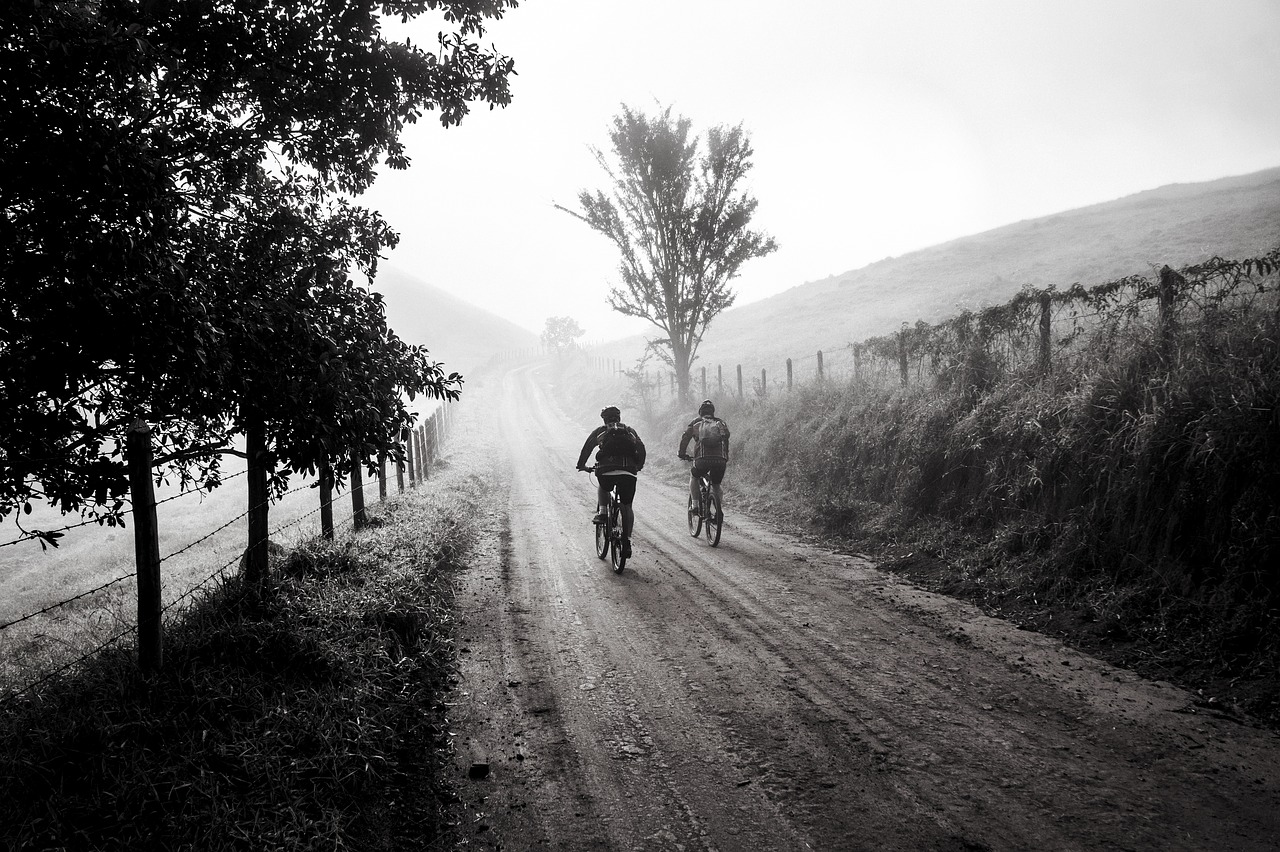

6 of the Reasons Why Bucks County, Pennsylvania Is the Best Destination for Cyclists and Runners

There’s nothing like getting outside for a day of biking or to go for a run. If you’re familiar with Bucks County, Pennsylvania, you’ll already be aware that this is an amazing location for either sport.

This part of the state is very bike-friendly and has some fantastic places for running. With a variety of interesting landscapes, safe and well-maintained paved trails, well-mapped routes and other resources, it’s no wonder that so many people favor the area.

Here are six reasons Bucks County is the perfect place for cyclists and runners alike.

1. Enjoy Spectacular Scenery

The county is known for rolling hills, wooded areas, and rural landscapes. This is in evidence on the 202 Parkway Trail. There, you can bike, hike, and run on 8.4 miles of paved path that follows a roadway and connects the towns of Doylestown, Warrington and Montgomery.

Tyler State Park offers gorgeous trails that travel through forests and wind along Neshaminy Creek. You’ll love getting your exercise in over 1,700 acres of dense woodland and picturesque farms. For a shorter run, but just as much nature, try Neshaminy State Park’s 4-mile track.

If you’re cycling or running on the 6-mile path in Peace Valley Park that takes you around 365-acre Lake Galena, you’re apt to see some of the area’s 250 species of birds. The Park has 14 miles of trail in all, accommodating if you want a longer run.

And if mountain biking is your thing, you might want to try riding or hiking the scenic trails in Ralph Rover State Park. They offer fantastic views of the surroundings atop a 200-foot rock cliff.

2. Immerse Yourself in History

You can also take in some of the history of the area while cycling or going for a run. For example, Bucks County has 12 incredible covered bridges, one of which has been standing since 1875. At an earlier time, there were 50 that connected towns across the Delaware River to support local commerce. Some paths go through these structures.

Another option is to go jogging or biking for a distance on the over 50 miles of towpath that shoulders the Delaware Canal. Revel in this architectural feat build in the early 1800s and admire the many camelback bridges.

Furthermore, select the towpath section that connects to the 500-acre Washington Crossing Historic Park. Make the park a rest stop and take in the history of the spot where General George Washington and his army crossed the Delaware River in 1776.

3. Make Family Memories

Bucks County is a marvelous area to make family memories. Plan a day out cycling with the kids or bond with your teenagers while jogging along one of the multitude of tracks.

Many of the routes mentioned have parks and picnic areas, as well as being excellent environments to observe wildlife. Family members, no matter their age, will be thrilled to see a deer or fox, or spy a colorful cardinal or finch.

4. Map Your Route

There are quite a number of biking and jogging trails in the county that are mapped online. This is one of the best ways to plan your route. You can decide ahead of time exactly where you want to go, learn about the type of terrain each pathway is on, see the distance options, find out about rest stops and places nearby to explore and know what you need to about parking lots.

For instance, TrailLink is a helpful resource that provides maps and other information about pathways around Doylestown. You can even view and post photos taken on the different routes. This is a wonderful way to celebrate your experience and share a sense of kinship with other cyclists and runners using the area.

5. Find Community

You may relish the prospect of a solitary run or bike trip through beautiful Bucks County. Alternatively, you might prefer to set out with one or more exercise buddies. Since this part of the state is such an amazing place for outdoor pursuits, it’s not hard to find a community. The county is home to quite a number of running and bicycling clubs that organize events and meet regularly. 

6. Build Endurance

If you’re a runner, jogger, or cyclist, then you know how these activities support your overall physical and mental health. Another benefit is that, over time, you can visualize and achieve endurance goals.

Many people in these sports take part in competitions and, if you’re so inclined, Bucks County has a schedule of races that you might want to look into (check regularly for changes due to COVID-19 restrictions). From short runs and cycles to relay runs and triathlons, there’s enough to choose from and you should be able to find something that appeals to you.

With everything for the individual runner and cyclist to people that pursue these pastimes as a family, Bucks County is a terrific location for your next adventure.

8 of the Best Beaches in Delaware

If you’re dreaming of walking in the sand, sandals in hand, you’re not alone. When it’s not beach season, our thoughts naturally turn to the pure pleasure that visiting the seaside brings. It’s an absolutely amazing way to de-stress and spend some time alone in quiet reflection or the company of our loved ones.

Great memories are made in these environments, and Delaware certainly has some of the most beautiful beaches around. The state has a spectacular shoreline for every taste and activity. Whether you’re planning a family picnic, a walk along a boardwalk with your significant other, or catching a few waves, there’s the perfect beach for that.

Many of the spots featured here offer on-site amenities to add to the enjoyment of your experience. Other locations have nearby attractions such as amusement parks and museums. And, if you want to extend your stay, there’s a variety of overnight accommodations—everything from upscale hotels to house rentals.

Whether you want to plan that future trip to the ocean or just want to spend time reminiscing, read on for the details of Delaware’s delightful beaches.

1. Bethany Beach

Bethany Beach has a long wooden boardwalk hugging the sand dunes and wide stretch of beach. There are even foot-washing stations along it. This is a fairly quiet resort beach and a fantastic family destination. Lifeguards keep watch, as there are some big waves to be aware of. Enjoy summer-long weekly beach bonfires and movie nights while sampling food from local vendors. You can also spend time playing minigolf or renting surfboards and Jet Skis.

2. Broadkill Beach

If you’re a nature lover or bird watcher, you might enjoy this location. It’s Delaware’s first horseshoe crab sanctuary, and it’s surrounded by Prime Hook National Wildlife Refuge. The beach itself is not as crowded as some others. The on-site amenities consist of several portable toilets and a nearby store where you can buy cold drinks and a few snacks. Swimming, paddleboarding, kayaking, and surf fishing are popular pastimes here.

3. Cape Henlopen State Park

Located within the 5,193-acre Cape Henlopen State Park is a wonderful wheelchair-accessible beach with 6 miles of shoreline. The bathhouse includes showers and bathrooms. There’s a snack bar available, and you can also rent beach umbrellas, kayaks, and small boats. From biking or hiking the trails, to exploring the Fort Miles Historical Area, to camping in the park, there are lots to choose from.

4. Delaware Seashore State Park

Here’s another favored state park to consider. This one has several lifeguarded beaches, fully equipped bathhouses, beach chair and umbrella rentals, and 6 miles of shore. The 2,825-acre park has nature trails, environmental educational programs, and dune crossings open to four-wheel vehicles. In addition, it has a few designated spots ideal for surfing.

5. Dewey

Dewey is a lively beach resort where the small permanent population can swell to tens of thousands in the summer. It’s well liked by both families and young people, offering the annual Sea Witch Halloween and Fiddlers’ Festival, live music every summer evening, and movies and bonfires on the beach. With parasailing, wakeboarding, beach yoga, environmental education, a junior lifeguard program, and a wide variety of watercraft rentals, it has something for everyone. Restaurants, bars, hotels, and cottage rentals welcome visitors.

6. Fenwick Island State Park

The 3-mile-long beach at 344-acre Fenwick Island State Park is a barrier island, with two coastlines allowing for different activities. You can surf and fish on the ocean side or go crabbing or clamming on the bay side. Swimming is wheelchair accessible. There are lifeguards, a bathhouse with change rooms and showers, a gift shop, and a snack concession. Plan to rent a paddleboard, kayak, or sailboat, or you can take in one of the local eco-tours.

7. Lewes Beach

Here’s another family-friendly beach. Lewes has wide sand bars and a gentle slope into shallow calm waters, perfect for little ones learning to swim. The beach has lifeguards, a convenient bathhouse with restrooms and showers, and inexpensive parking. It’s only a short walk to buy ice cream and browse through small shops or marvel at Lewes’ two iconic lighthouses.

8. Rehoboth Beach

Rehoboth is home to an exciting arcade and amusement park, the Sea Witch Festival, and the Rehoboth Beach Autumn Jazz Festival. Tourists flock to this summer town to wander through unique boutiques and art galleries—and to luxuriate at one of the ocean-facing hotels. The 1.5-mile-long beach sports a wooden boardwalk and bathhouses outfitted with showers and change rooms. Rehoboth is a terrific place for family fun and watersports.

While these eight are some of the most sought-after beach destinations in the state, Delaware definitely has many more to choose from.

Six Steps to Move Closer to Work-Life Balance

Work-life balance is something most people strive for. Essentially, it’s about having enough time to do your job well, and sufficient time outside work for family and personal pursuits. The goal is to feel fully engaged in all parts of your life.

Despite widespread agreement that it’s a good thing, achieving work-life balance can be a struggle for most people. Work demands can be variable, especially in business sectors that have hard deadlines. Family obligations change as children are born or health concerns need attention.

The line between work and home life can quickly blur, causing overwhelming pressure and leading to burnout. Even if employers do their best to promote work-life balance for their employees, it may not be enough. In the end, it’s helpful to know how to manage your own time and stress response. Here are a few of the best ways to find more balance.

Seek a sense of purpose

Take some time to consider why you do the work you do. Where do you find gratification in your job? It’s not uncommon for people to stay in a job long after they’ve outgrown it. Perhaps the day-to-day responsibilities have steadily increased or somehow changed since you started. Maybe you’ve achieved all you can in the position and it’s no longer intellectually challenging.   

Over a lifetime, an enormous number of hours are spent working. Getting in touch with the sense of fulfillment your position provides can help you assess whether it’s time to find another opportunity.

Set a schedule

Setting a schedule may seem easy enough. Having said that, it can be incredibly difficult to stay with. Certainly, you may be caught up in an exciting project and not notice the time, or underestimate how long it takes to finish something. We all have weak spots when it comes to time management.

A few tips can help with this. One is to pad your schedule a bit by adding extra time for tasks, allotting a bit more than you think you need. Another is to set aside designated time to respond to phone and email messages. You could also divide your day into blocks of time for different purposes. For instance, you might divide your time into focus blocks, where you concentrate on high-level or creative work; admin blocks, or shorter periods where you take care of routine business; social blocks for meeting and engaging with others; and recovery blocks for exercise and other self-care. Separating your day like this can help you avoid multi-tasking, which reduces your productivity.

Stick to your strengths

Sticking to your strengths has several aspects to it. When scheduling your work day, it means making sure you play to your strengths at particular times of the day. For example, if you’re better at completing paperwork first thing in the morning, plan accordingly. Many people feel more creative and inspired in the mornings. If that describes you, plan to do any creative or higher-level work then.

Keeping to your strengths also involves knowing your natural competencies and where you have to work harder. Be strategic and do what you’re best at within your job responsibilities. Then, find assistance where required. If you’re a manager, this means surrounding yourself with people with the skillsets you lack and not being afraid to delegate work.

Say no more often

Few of us are inclined to refuse someone when they ask for support. Furthermore, it’s hard to turn down a chance to participate in an exciting new project. However, if you keep saying yes to more and more demands, it won’t be long before you have to say no to something you really want to do—either that, or take back a commitment that you’ve already made. Saying no doesn’t feel good sometimes, but it’s an essential lesson to learn when it comes to work-life balance.

Stop the clock

Realize that your work day has to end sometime. Granted, depending on your job, you may have to stay late occasionally or take important after-hours calls. Having said that, decide where you have control and make sure you shift from working to enjoying life outside work at some point every day.

When you set reasonable expectations for yourself it signals to others when you’re available and when you’re not, and your colleagues will be more likely to respect your time. In addition, even if you’re not in a leadership role, you’re setting a healthy example for others.

Stopping the clock can be difficult when working from home, as so many people are doing right now due to covid-19. Work and personal life can blur together when both happen in the same physical space. To create barriers between work and personal time when you’re working from home, make sure you have a dedicated workspace, change into work-appropriate attire, and create a schedule and stick to it.

Forget perfection

Keep in mind that work-life balance is a goal—something to aim for, not necessarily a state you can always exist in. Nor does the concept refer to a precise 50-50 balance between work and your personal life.

Don’t beat yourself up if you feel balance is elusive. Accept that sometimes you may have to put in a 12-hour day, or take a call late at night, or skip something important at work for a family commitment. At certain times in life, you may have to accept that work-life balance is at least temporarily impossible to achieve, and not even desirable. For instance, we have parental leave because we acknowledge that a new parent should not have to work and care for a newborn.

What’s more important is that you are prioritizing your work and personal commitments in such a way that you feel content overall. You may not always be able to achieve balance, but you can reach a place where you feel happy about both sides of your life.